

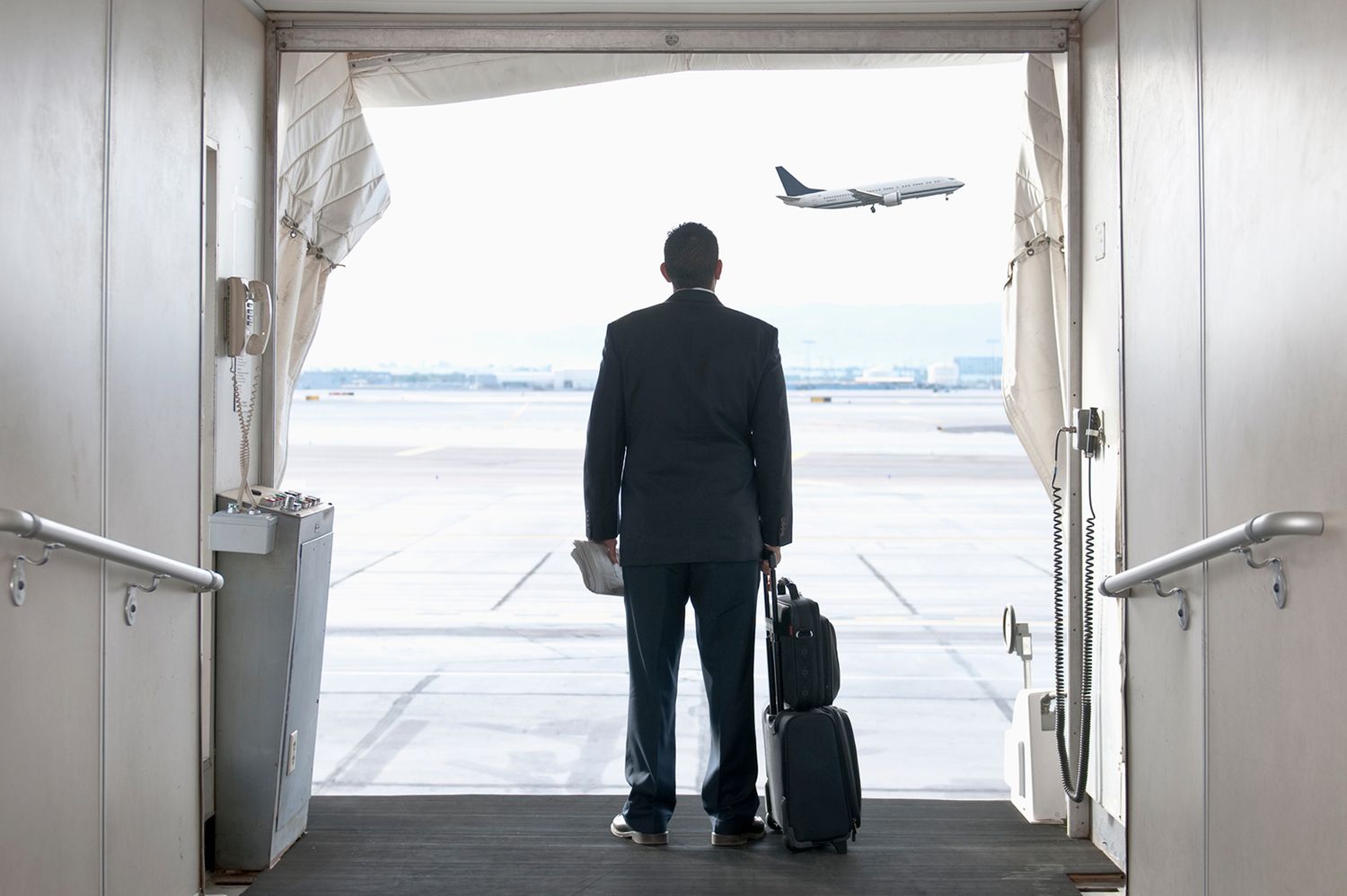
Travel is one of life’s most rewarding experiences, but even seasoned travelers make avoidable mistakes. Small oversights can lead to stress, wasted money, or missed opportunities. Understanding the **most common travel mistakes—and how to prevent them—**helps ensure smoother, safer, and more enjoyable trips.
Overpacking and Carrying Too Much
One of the most frequent travel errors is packing more than necessary. Heavy luggage slows you down and limits flexibility.
How to avoid it:
- Pack versatile clothing that layers easily
- Stick to carry-on when possible
- Leave room for items you may buy
- Follow the “one-week rule” for longer trips
Traveling lighter often leads to a lighter mindset.
Poor Trip Planning—or Too Much of It
Both extremes create problems. No planning can cause missed opportunities, while overplanning removes spontaneity.
A balanced approach includes:
- Booking essential transport and accommodation
- Researching must-see sights and local customs
- Leaving open time for discovery and rest
A flexible plan offers structure without pressure.
Ignoring Travel Insurance
Many travelers skip insurance to save money, only to regret it later.
Common risks include:
- Medical emergencies
- Trip cancellations or delays
- Lost or stolen belongings
Basic travel insurance provides peace of mind and financial protection when the unexpected happens.
Not Checking Entry Requirements
Arriving unprepared at immigration can derail an entire trip.
Avoid this mistake by confirming:
- Passport validity requirements
- Visa rules for your nationality
- Entry forms or proof of onward travel
- Vaccination or health documentation
Requirements change, so always verify close to departure.
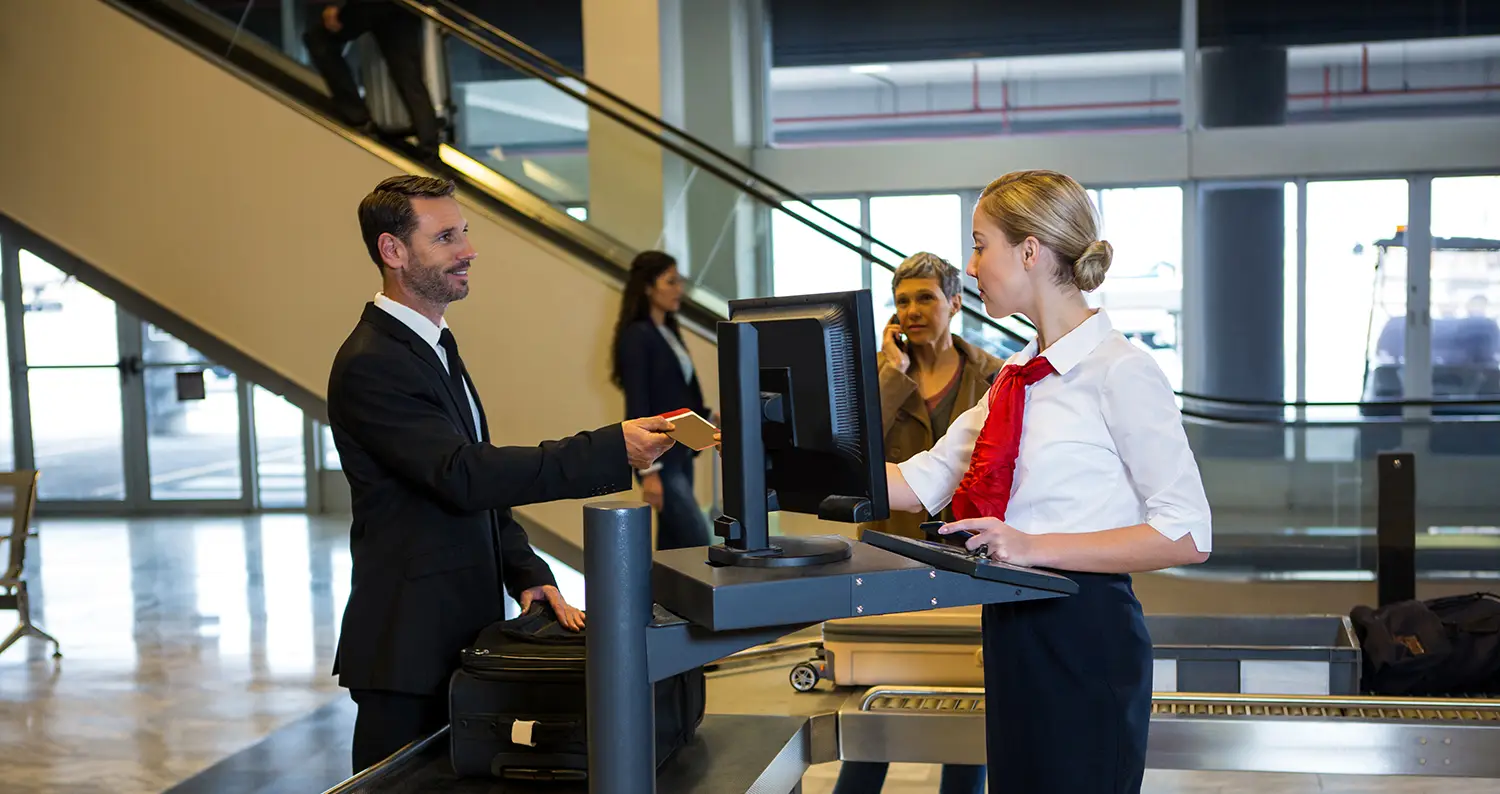
Underestimating Travel Time
Many travelers assume everything will go according to schedule.
Common time-related errors include:
- Tight airport connections
- Overloaded daily itineraries
- Forgetting local traffic or weather delays
Build buffer time into your plans to reduce stress.
Not Respecting Local Culture
Cultural misunderstandings can create awkward or offensive situations.
How to travel more respectfully:
- Learn basic local phrases
- Dress appropriately for cultural norms
- Understand tipping customs
- Observe local behavior before acting
Respect opens doors to better experiences and genuine connections.
Relying Only on Tourist Areas
Staying exclusively in tourist zones can limit your experience.
To avoid this trap:
- Explore neighborhoods beyond main attractions
- Eat where locals eat
- Use public transport when safe
Stepping outside the tourist bubble often reveals the most memorable moments.
Failing to Manage Money Properly
Money-related mistakes can disrupt a trip quickly.
Common errors include:
- Carrying all cash in one place
- Ignoring foreign transaction fees
- Not informing banks before travel
- Overpaying for currency exchange
Smart money management keeps travel smooth and secure.
Skipping Health and Safety Preparation
Health issues can arise even on short trips.
Preparation essentials:
- Carry necessary medications
- Know local emergency numbers
- Stay hydrated and rested
- Research common health risks at your destination
Prevention is easier than recovery while traveling.
Final Thoughts
Most travel mistakes come from rushing, assumptions, or lack of preparation—not bad intentions. By planning thoughtfully, staying flexible, and respecting local environments, travelers can avoid common pitfalls and focus on what truly matters: enjoying the journey. Every mistake avoided is more time and energy spent on meaningful experiences.
Frequently Asked Questions (FAQs)
1. Are travel mistakes more common for first-time travelers?
Yes, but experienced travelers also make mistakes—often from overconfidence or rushed planning.
2. Is it better to plan everything in advance or decide on the go?
A hybrid approach works best, combining essential bookings with flexible free time.
3. How can I avoid feeling overwhelmed while traveling?
Limit daily activities, build rest days into your itinerary, and stay adaptable.
4. Should I carry physical copies of important documents?
Yes. Backup copies can be helpful if devices fail or documents are lost.
5. What’s the best way to avoid tourist scams?
Research common scams at your destination and stay alert in crowded areas.
6. Can travel mistakes ruin a trip completely?
Rarely. Most mistakes become learning experiences or even good stories later.
7. How do I recover quickly from a travel mistake?
Stay calm, reassess your options, and ask locals or hotel staff for help when needed.

Comments are closed.