

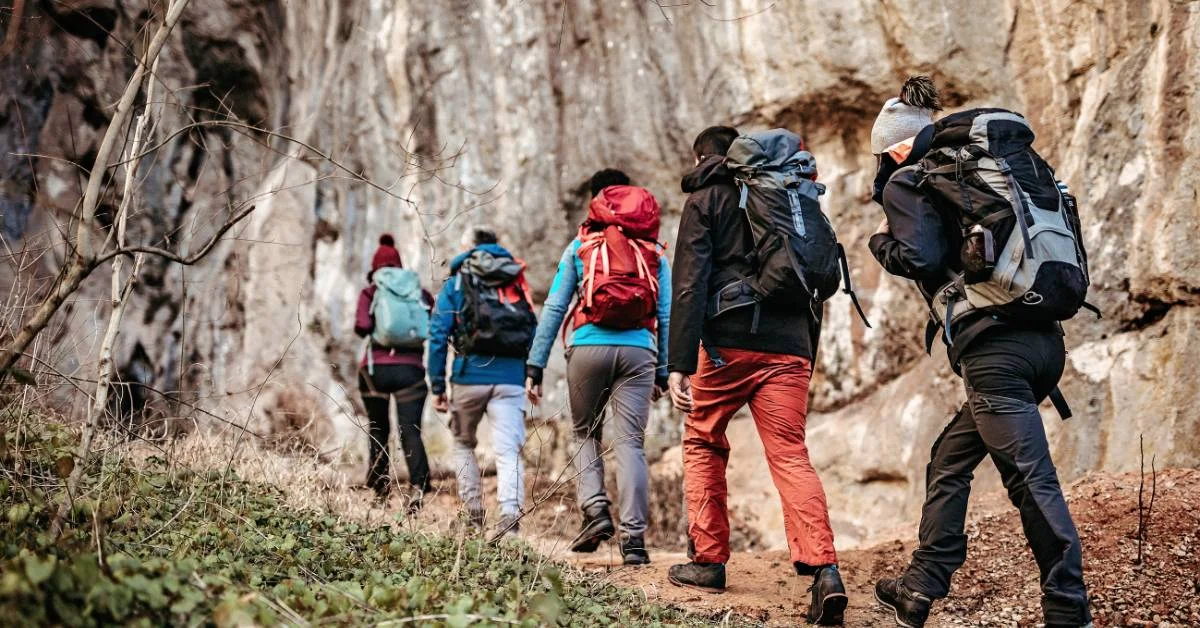
Adventure travel often gets labeled as expensive—think remote destinations, specialized gear, and adrenaline-packed activities. Yet for travelers willing to plan smartly and stay flexible, adventure on a budget is not only possible, it’s surprisingly rewarding. The key lies in redefining what adventure means and making intentional choices that stretch every dollar.
What Counts as Adventure Travel?
Adventure travel isn’t limited to luxury safaris or guided expeditions. At its core, it’s about exploration, challenge, and immersion. That could mean trekking through mountain trails, cycling across rural regions, kayaking along coastlines, or camping under the stars.
Budget-friendly adventure focuses on experiences rather than price tags, often delivering deeper connections with nature and local culture.
Why Adventure Travel Doesn’t Have to Be Expensive
Many high-cost assumptions come from packaged tours and peak-season travel. Independent travelers can cut costs dramatically by opting for local transport, self-guided activities, and simple accommodations.
Adventure thrives on simplicity, and simplicity is often affordable.
Smart Planning: The Foundation of Budget Adventures
Choose Affordable Destinations
Some regions naturally offer more value for money due to lower living costs and abundant natural attractions.
Popular budget-friendly adventure regions include:
- Southeast Asia for jungles, diving, and motorbike routes
- Eastern Europe for hiking, skiing, and wild landscapes
- South America for trekking, rafting, and cultural immersion
- Central America for surfing, volcano hikes, and rainforests
Travel During the Shoulder Season
Avoiding peak tourist months can reduce costs on flights and lodging while still offering great weather and fewer crowds.
Shoulder seasons often deliver the best balance between price and conditions.
Saving on Transportation Without Losing the Adventure
Transportation is often the biggest expense, but it’s also one of the easiest to manage.
Cost-cutting strategies include:
- Using overnight buses or trains to save on accommodation
- Walking, cycling, or hitchhiking where safe and culturally acceptable
- Booking flights early or staying flexible with dates
- Using regional airlines or budget carriers
Slow travel not only saves money but also adds depth to the adventure.
Affordable Places to Stay
Adventure travelers rarely need luxury hotels. Comfort, safety, and location matter far more.
Budget accommodation options:
- Hostels and guesthouses
- Camping in national parks or designated areas
- Homestays with local families
- Volunteering exchanges that include lodging
Staying simply often leads to richer stories and unexpected friendships.
Adventure Activities That Cost Little (or Nothing)
Many of the most thrilling adventures are free or low-cost.
Examples include:
- Hiking and trekking in public lands
- Swimming, snorkeling, or surfing at natural beaches
- Rock climbing at outdoor crags
- Wildlife spotting and nature photography
- Exploring villages, markets, and historic trails
Nature doesn’t charge admission, and it delivers unforgettable experiences.
Gear Smarts: Spend Less, Travel Better
You don’t need top-tier equipment to have a great adventure.
Smart gear tips:
- Buy used or rent specialized equipment
- Choose multi-purpose clothing and tools
- Focus on durability over brand names
- Borrow or share gear with travel partners
Minimalist packing reduces costs and increases mobility.
Eating Well Without Overspending
Food is part of the adventure, and it doesn’t need to be expensive.
Budget food strategies include:
- Eating where locals eat
- Shopping at markets and cooking occasionally
- Avoiding tourist-heavy restaurants
- Carrying snacks for long activity days
Local meals are often cheaper, fresher, and far more memorable.
The Hidden Value of Budget Adventure Travel
Traveling on a budget often leads to:
- Greater interaction with locals
- More spontaneous experiences
- Stronger problem-solving skills
- A deeper sense of accomplishment
Constraints fuel creativity, and creativity fuels adventure.
Final Thoughts
Adventure travel on a budget is not about sacrificing quality—it’s about prioritizing experience over comfort and curiosity over convenience. With thoughtful planning, open-mindedness, and a willingness to step outside the typical tourist path, thrilling adventures can be accessible to almost anyone.
Frequently Asked Questions (FAQs)
1. Is budget adventure travel safe for solo travelers?
Yes, with proper research, situational awareness, and respect for local customs, solo budget adventure travel can be safe and highly rewarding.
2. How much money should I budget for an adventure trip?
Costs vary by region and style, but many travelers manage meaningful adventure trips on modest daily budgets by choosing affordable destinations.
3. Can beginners try adventure travel without guides?
Absolutely. Many activities like hiking, cycling, and camping are beginner-friendly when planned carefully and matched to skill levels.
4. What’s the biggest mistake people make when traveling on a budget?
Overpacking, rushing itineraries, and underestimating travel time often lead to unnecessary expenses.
5. Are adventure sports expensive everywhere?
No. In many countries, activities like diving, rafting, or climbing are far cheaper due to local competition and lower operating costs.
6. How can I find free or low-cost adventures?
National parks, community tourism offices, and local traveler networks are excellent resources for affordable activities.
7. Does budget travel reduce the quality of the experience?
In many cases, it enhances it by encouraging deeper engagement, slower travel, and more authentic encounters.

Comments are closed.